Mold Remediation
Hoboken Mold Remediation, Priced Against Findings Someone Else Wrote
Soft drywall, black growth or a musty room after a leak, and the findings are in? Send us the scope. We introduce local contractors who price the removal against it, and the company that tested your home stays out of the sale. No findings yet? Call us, and we start with an assessment.
- Two companies, never oneThe assessor and the remover are separate firms.
- Findings on paperAsk for the scope and the cost on paper.
- Local to the Hoboken areaHelp for Hoboken and the towns around it.
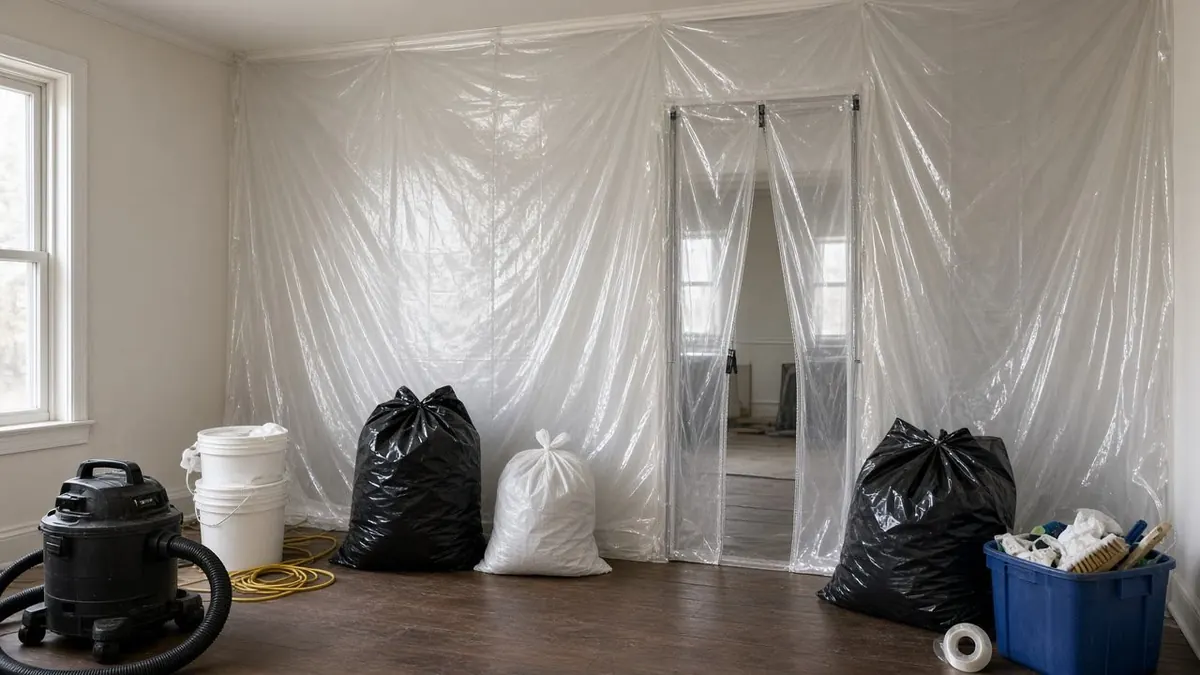
We arrange your mold assessment and the removal. Two separate local companies do the work, and we do neither.
Tell us what you are seeing
Your name, a number and a ZIP code get you started. Add the wall, the smell or the water if you can.
The Mold Removal Hoboken pledge
- Asking for help costs nothing and commits you to nothing.
- We take no fee for planning or the introduction.
- We send one company to test and another to remove.
- Your $100 credit is honored exactly as the Terms say.
Your contract with the contractor covers the work itself.
Fits when you see this
Questions about this job
Can I get the removal from the company that wrote my findings?
Does drywall always have to come out?
Do I need a permit to open a wall?
How do I compare removal quotes?
I signed in a hurry. Can I cancel?
Who checks the work when it is finished?
Why does mold come back after a cleanup?
What the work covers
Containment and negative air
Ask how the contractor will seal the work area and filter the air while the wall is open.
Taking out what cannot be cleaned
Soaked porous items are bagged under containment, then carried out.
Cleaning and drying what stays
Framing and masonry are vacuumed, wiped and dried to a measured target.
The water repair
The leak, drain or condensation problem is handled by the trade that owns it.
Rebuild and final check
Insulation, drywall and paint go back after drying. A separate company checks the result.
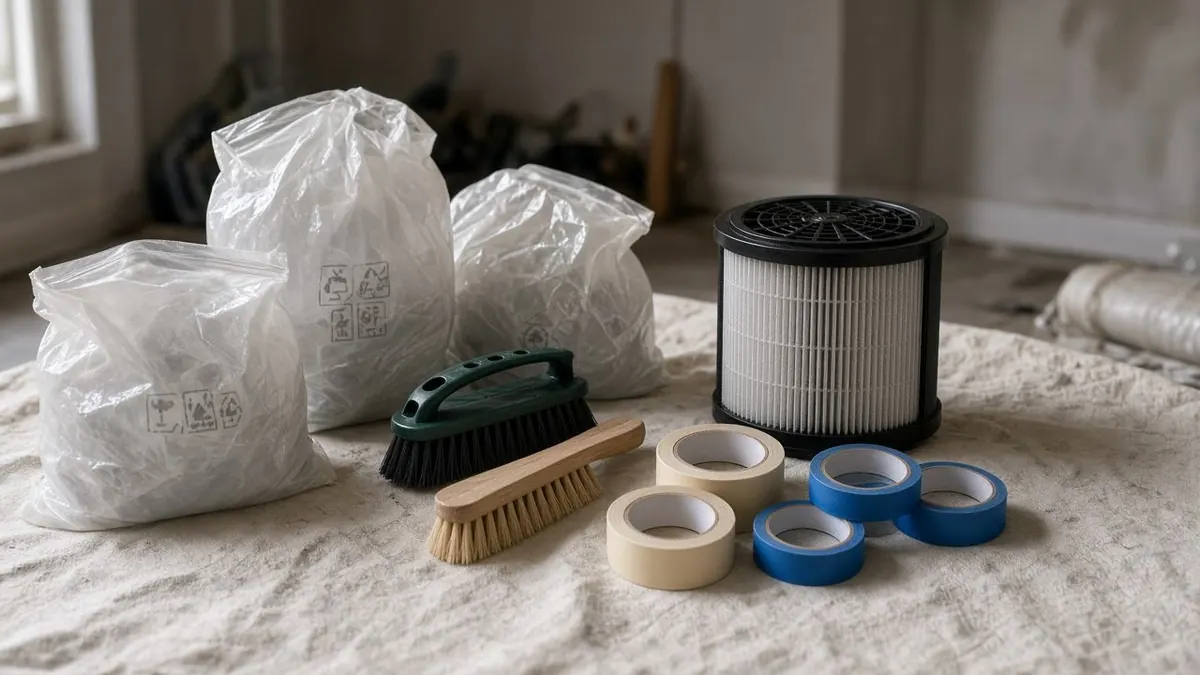
What comes out and what stays
Hard, non porous surfaces such as tile, sealed concrete and metal are normally cleaned where they stand. Drywall, carpet pad and batt insulation are different, and they go out in bags.
Water from a drain backup changes the plan again. The Department of Health says sewage in the water adds extra steps for assessing, cleaning and decontaminating. Ask your contractor to show those steps as their own line on the quote.
Basis: U.S. EPA, NJ Department of Health
Who has to be told before a wall comes out
In a one or two family dwelling, replacing interior finish on less than 25 percent of a wall area counts as ordinary upkeep under New Jersey's construction code, needing no permit or notice.
In larger buildings, minor work needs a permit, though the work may start once the local enforcing agency has been notified. Ask your contractor which case you are in, and get the answer in writing.
Before you sign the rebuild contract
A wet basement makes people sign fast. New Jersey gives you until midnight on the third business day to cancel the contract, for any reason or none. Cancel in writing to the contractor, and keep proof of when you sent it.
Ask any rebuild contractor for their New Jersey home improvement contractor number, and check it with the Division of Consumer Affairs before you pay a deposit.
Who should do a patch this size
The Department of Health sets rough lines. Patches under about 10 square feet can suit a homeowner or the building's maintenance staff. Past about 100 square feet, hire a contractor with mold cleanup experience. In between, get a professional opinion.
Measure yours with a tape and tell us the number. The number tells you which side of the state health department line you are on.
Be wary of a promise that mold will never return
The Department of Health warns that mold can never be ended for good in any building, and tells residents to steer clear of a contractor who claims it can. Judge a bid on the water repair, the containment and the closing check.
If you hear a promise of perfect air, ask what it rests on. Choose the contractor who answers with a scope.
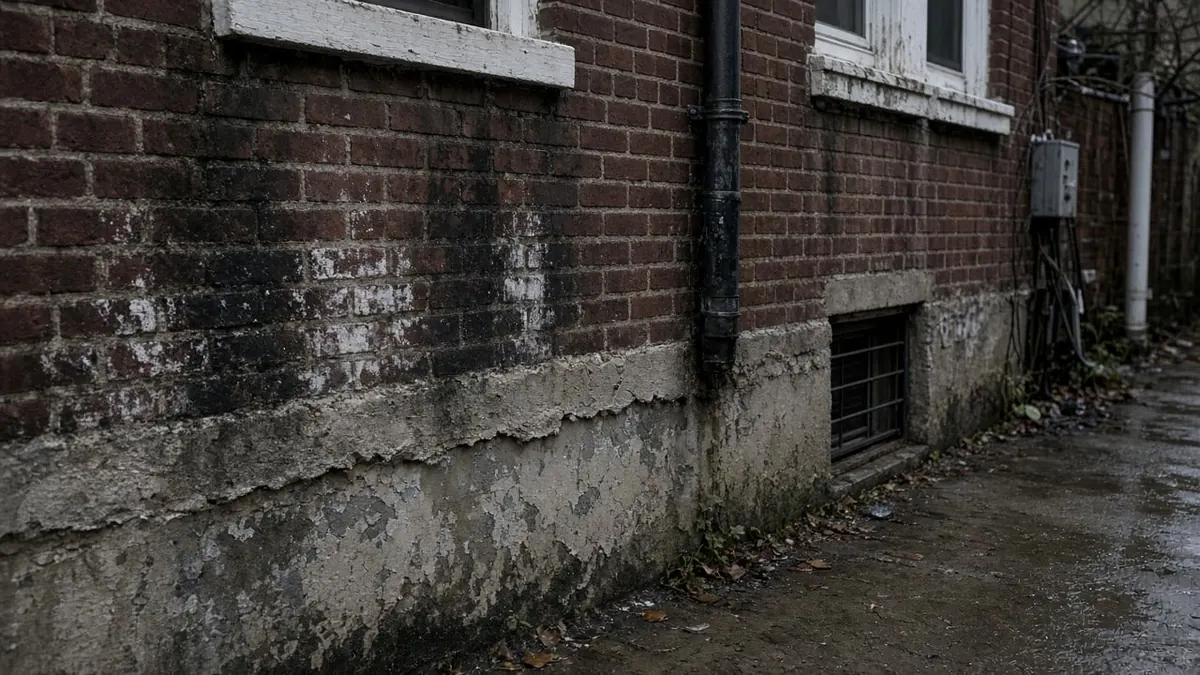
We book the tester and the remover apart
The company that assesses
- Finds the mold, the wet material and the water feeding it.
- Measures the area and writes the scope in plain terms.
- Can check the finished job against that scope if you ask.
- Is booked apart from the removal.
The company that removes
- Prices the work against the written scope.
- Sets up containment and takes out what cannot be cleaned.
- Cleans and dries what stays.
- Is booked apart from the assessment and the final check.
- The assessor's scope The page every bid is compared to.
- An itemized price Lines that match the scope, area by area.
- A signed contract With the cancel notice and start date in it.
- A clearance note From a firm that stayed out of the removal.
Basis: NJ Department of Health
How the job runs
- 1
Start from the written scope
Contractors price what the assessor measured, not what they guess from a doorway.
- 2
Fix or book the water repair
Until the source is dealt with, removal only holds the line. Ask for the repair date in writing.
- 3
Notice, containment, removal
Ask your contractor who gives any notice the code requires, and get the answer in writing. The contractor also seals the area and takes out the material.
- 4
Clean, dry, rebuild, check
Closing a wall on damp framing means doing the job twice. Wait for the readings.
What moves the price
- What the soaked material is made of decides what is cleaned and what is carried out.
- Water from a drain backup adds cleaning steps that clean water does not.
- The measured area sets how much containment and disposal the job needs.
- Stairs, a shared hall and parking near the door all change how the work is staged.
- A wall shared with a neighbor or an association adds scheduling and sign-off.
- The rebuild adds its own materials and labor after the removal.
- Each contractor sets their own price. Ask for it itemized against the scope.
Your first booking carries a $100 credit.
- We pay the credit; the contractor's price stays the same.
- Limit of one credit for each customer and each property.
- Expires December 31, 2026.
- Your contractor sets the job price.
The Mold Removal Hoboken pledge
- Asking for help costs nothing and commits you to nothing.
- We take no fee for planning or the introduction.
- We send one company to test and another to remove.
- Your $100 credit is honored exactly as the Terms say.
Your contract with the contractor covers the work itself.
Mold Removal Hoboken, (315) 640-3590 Read the full wording
Where this job is available
Hoboken and the waterfront
The Palisades ridge
The Meadowlands side
Book through us and get $100 off your first job.