Guide
Rain, Drains and Mold: What Happens Under a Hoboken Building
Your basement smells damp after a storm, or a floor drain gurgled during the rain. Both point to the same cause, and it is not the river. Tell us the block and the last storm, and we say which job comes first. Here is how the water gets in and what to do before it turns into mold.
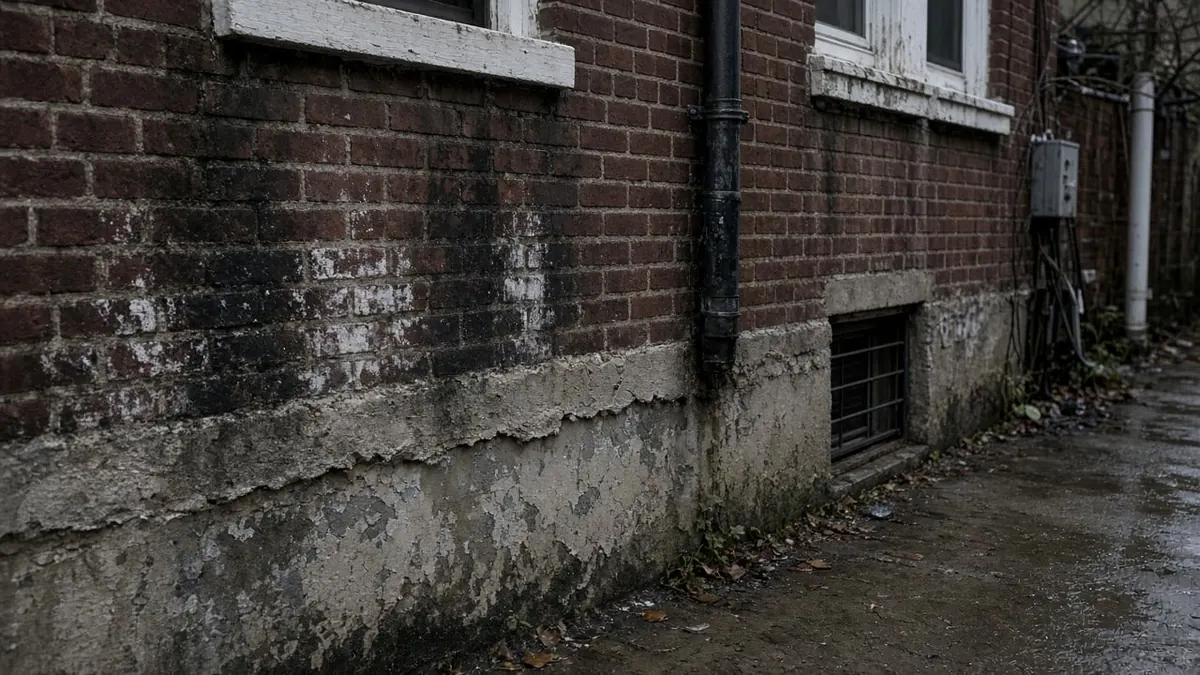
One pipe for rain and sewage
The North Hudson Sewerage Authority lists Hoboken, Union City, Weehawken and West New York as combined sewer overflow communities. In a combined system, the same pipes take both household wastewater and street runoff.
When a downpour fills those pipes, the water looks for the lowest way out. In your building, that is usually a basement floor drain. Water that comes up a floor drain can carry sewage.
It is the rain, not the river
The City of Hoboken says its low ground and aging sewers leave it open to flooding, and that an hour with only 0.8 inches of rain can overwhelm them. That is an ordinary summer storm, not a hurricane.
Federal flood insurance records back this up. Rainfall or snowmelt accounts for 1,486 of Hoboken's 2,216 paid claims. If your basement flooded in a thunderstorm, you are the usual case. Tell your contractor what the weather was.
A few blocks can change everything
Ground height changes sharply within a few blocks. A point in southwest Hoboken near Observer Highway sits at roughly 4 feet above sea level, and the ground near Washington and First Streets climbs to about 18.
That is why neighbors tell different water stories. Ask people who lived in your building before you what happened and when. Then pass it on, because the history shows where the walls may hold old moisture.
Basis: USGS 3D Elevation Program Point Query, City of Hoboken
What the pumps have and have not done
The City reports that two flood pumps, H1 in the southwest and H5 in the northwest, have helped prevent flooding in about 88 percent of rainstorms since 2016. In April 2025 it announced five more pumps at ResilienCity Park.
That figure counts the storms the pumps stopped, which leaves some they did not. Do not assume your street is safe because the news was good. Ask what your own building has been through.
Basis: City of Hoboken, U.S. EPA
The clock starts when the water does
Drying water damaged belongings and walls inside the EPA's 24 to 48 hours is the goal. Inside that window, the job is drying, and you may never face a mold job at all.
Past it, an assessment is the sensible next step. If the water came up a floor drain, say so when you call. Sewage adds steps to the job, and the Department of Health lists them as assess, clean and decontaminate.
Basis: U.S. EPA, NJ Department of Health
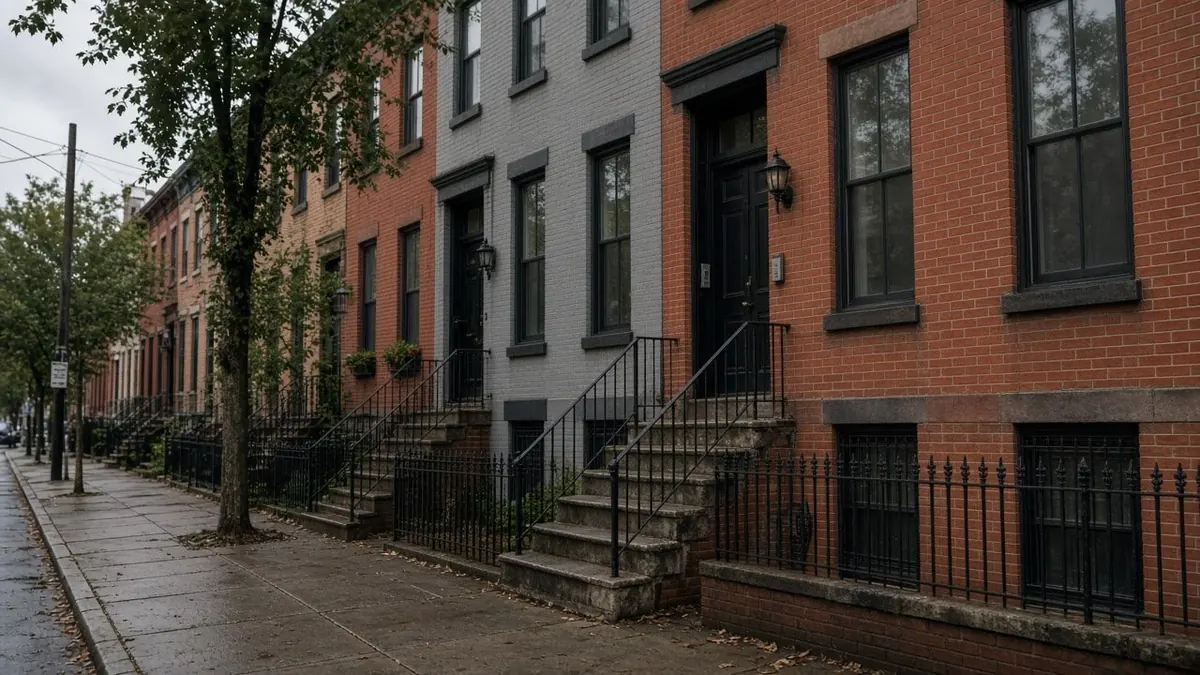
Why drain water changes the job
The industry water damage standard files sewage and waste line backflow under Category 3, grossly contaminated however it looks. Drywall and carpet that soaked it are normally removed, not dried.
That is why a basement after a backup often needs both drying and removal. Ask your contractor which category they are working to, and have them write it down.
When there is no leak at all
At Newark Liberty airport in Essex County, the normal dew point holds near 63 degrees all through a mid July day. A cold basement wall below that temperature collects water straight from the air.
If the smell comes in midsummer and fades in winter, suspect condensation. Buy a hygrometer, watch it for a week and tell us the readings before you pay for anything bigger.
How to tell the water has reached the walls
Staining on the lower wall is the obvious sign. The quieter ones are paint that bubbles, a baseboard that lifts, a salty white powder on brick and a smell that returns each time it rains.
These point to moisture inside the wall, where a towel cannot reach. Describe what you see when you call, because a meter finds wet material that the eye misses.
Who to tell when the basement is shared
Many Hoboken basements belong to a building, not a single household. If water arrived in a shared space, tell the landlord, the board or the management company in writing right away, and send your photographs.
Ask them what the building has been through before. A record of earlier water saves your contractor time and sharpens the scope.
What to ask before you book drying
- Which category of water do you say this is, and why?
- What readings will you take, and how often?
- What target tells you the drying is finished?
- What will you do with soaked carpet, pad or drywall?
- Who do you call if the readings stall?
Good answers are specific and come with numbers. Vague ones, such as it should be fine in a few days, are a reason to ask again. Write down what you are told, and keep the note with your photographs.
What to move now
Lift boxes, rugs and stored items off the floor and away from the wall. Cardboard drinks in water and keeps it pressed against the wall, so it goes first. Do not wade through water that came up a drain. Wait for a contractor to look at it.
Why a wall can stay wet for weeks
Brick, masonry and plaster absorb water and let it go slowly. A wall can still read wet after the visible water is gone, and hidden moisture is what mold feeds on.
So do not trust a dry floor. Ask the contractor to read the wall with a meter, and to tell you the number before they stop.
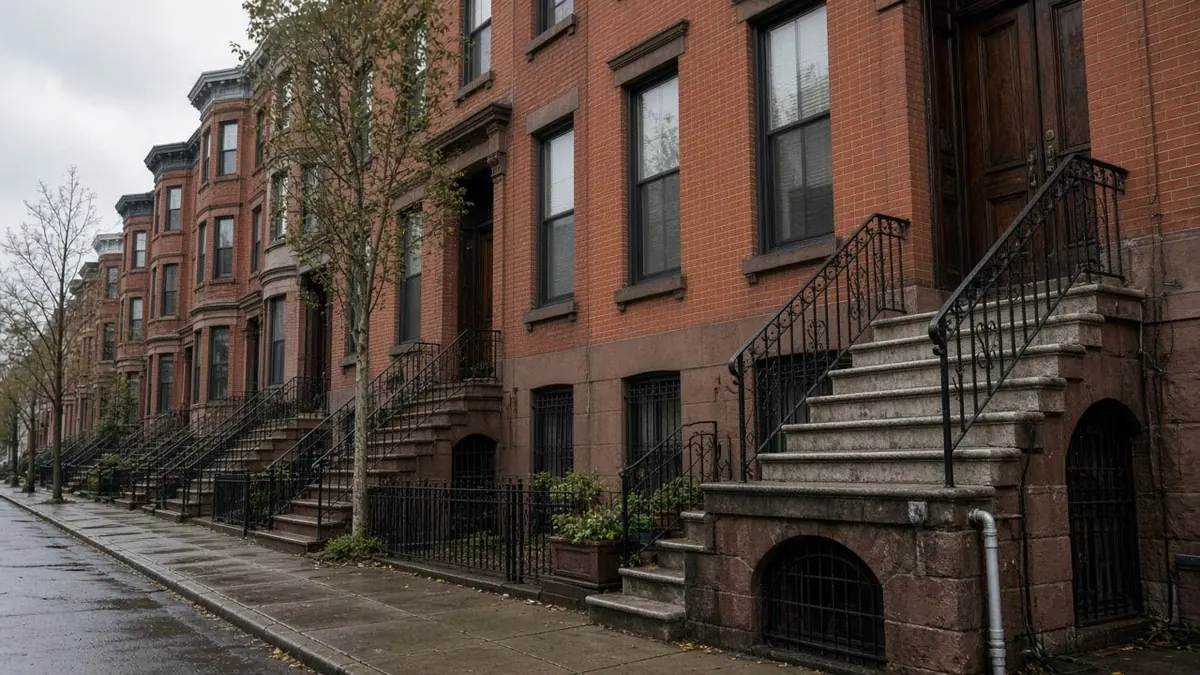
What to do this week
- Photograph the walls and floor with dates, and note the date of the last storm.
- Lift belongings and cardboard off the floor.
- Call about drying if water arrived in the last day or two.
- Ask for an assessment if growth or a smell is still there.
Tell us the block, the last storm and what you see. We say which job comes first.
Your first booking carries a $100 credit.
- We pay the credit; the contractor's price stays the same.
- Limit of one credit for each customer and each property.
- Expires December 31, 2026.
- Your contractor sets the job price.
The Mold Removal Hoboken pledge
- Asking for help costs nothing and commits you to nothing.
- We take no fee for planning or the introduction.
- We send one company to test and another to remove.
- Your $100 credit is honored exactly as the Terms say.
Your contract with the contractor covers the work itself.
Mold Removal Hoboken, (315) 640-3590 Read the full wording
Tell us the block, the last storm and what you see.